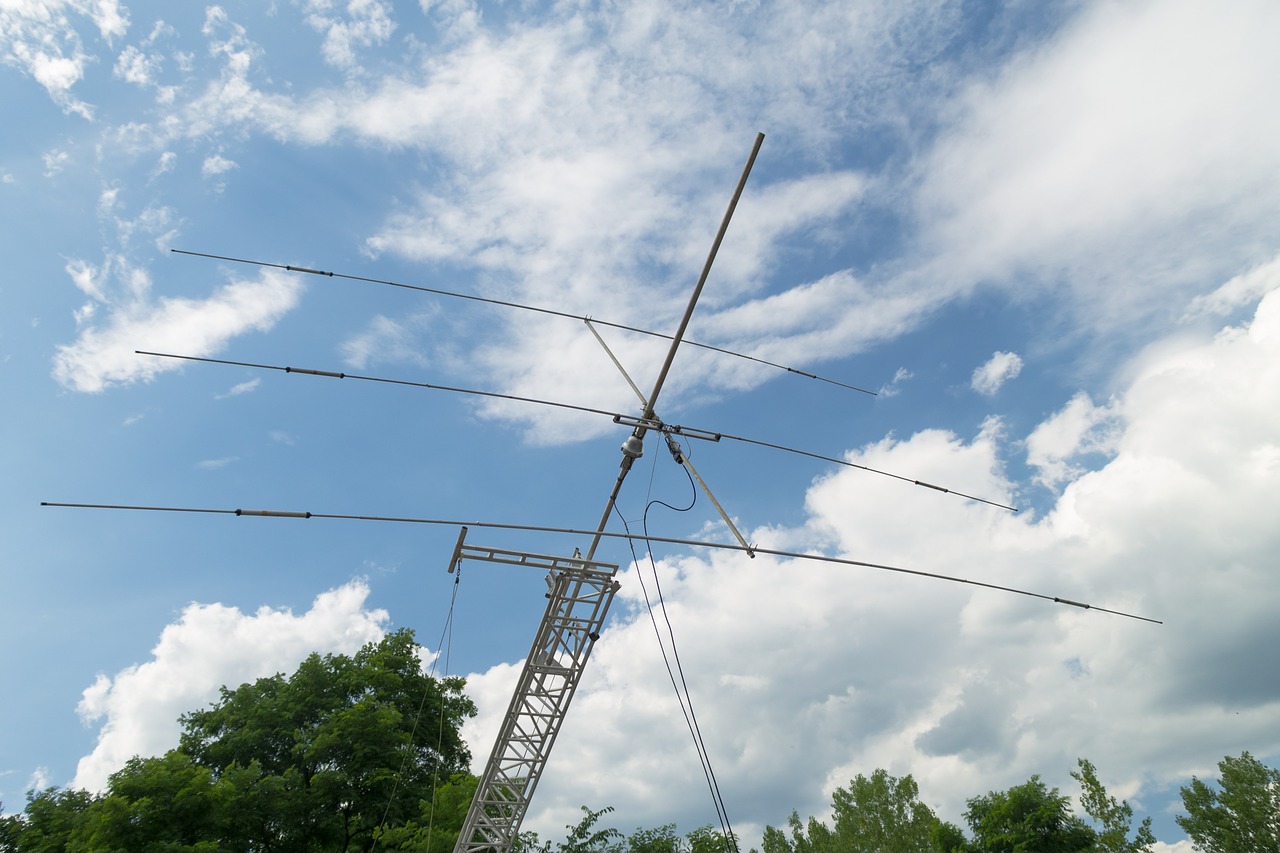
Amateur radio emergency communications is a system where licensed amateur radio operators volunteer their skills and equipment to provide critical communication during emergencies when conventional systems fail.
Key Aspects of Amateur Radio Emergency Communications:
- Purpose: To provide reliable communication when traditional methods like cell phones, internet, and landlines are down, which often happens during disasters like hurricanes, earthquakes, or widespread power outages.
- Who’s Involved: Licensed amateur radio operators (hams) who have volunteered their time and equipment for public service.
- How it Works: Hams set up and operate communication networks, relaying messages and information between individuals, emergency responders, and government agencies.
- Organizations:
ARRL (American Radio Relay League): A non-profit organization that supports amateur radio, including ARES.
ARES: The Amateur Radio Emergency Service, a program of the ARRL that organizes and trains ham radio operators for emergency communications.
RACES (Radio Amateur Civil Emergency Service): An emergency communications service under the Federal Emergency Management Agency (FEMA). - Capabilities: Two-way communication: Hams can establish direct communication between individuals, emergency responders, and government agencies.
- Data transmission: They can also transmit data, such as weather reports, situation updates, and other vital information.
- Interoperability: Ham radio can bridge communication gaps between different agencies and jurisdictions, ensuring everyone can communicate effectively.
Benefits:
- Reliable communication: Ham radio is a reliable and independent communication system that can function even when other systems are down.
- Community preparedness: Participating in ARES and other emergency communications activities can help individuals and communities prepare for disasters.
- Public service: Hams are dedicated to serving their communities by providing essential communication during emergencies.